Service | Whitesboro, TX
A road trip can start with a good playlist and a cooler, but it goes better when the vehicle has been looked over first.
August is prime time for long drives out of North Texas. Families head for the coast, the mountains or a relative's place a few states away, and the Chevy that handles the grocery run all year is suddenly asked to run for hours in triple digit heat with a full load.
This post lists what to check on a Chevrolet before you leave, what you can do yourself in the driveway, and what is better handled by a technician. Plan a week ahead if you can, since that leaves room to fix anything you find.
Quick answer: Before a summer road trip, check your Chevy's tires, oil, coolant, battery, brakes, lights and wipers. Add a look at belts, hoses and the air conditioning. Holiday Chevrolet in Whitesboro, TX can inspect all of it so you leave with fewer surprises.
Check first
Tires
Pressure, tread and the spare
Then
Fluids and battery
Oil, coolant, brake fluid, and a battery test
Book
A week ahead
Leaves time for any repair you need
In this post
What should be checked on my Chevy before a summer road trip?
The short list covers the parts that most often cause trouble on the road: tires, oil and other fluids, the battery, the brakes, the cooling system, the lights and the wipers. Belts and hoses belong on the list too, since heat is hard on rubber.
A trip puts a vehicle under a type of stress that daily driving doesn't. It runs for hours without a break, carries more weight than usual, and often tows or hauls luggage on the roof. A small problem that goes unnoticed around town can become a large one at highway speed.

You don't need to be a mechanic to do part of this yourself. The owner's manual shows where the fluid caps and the dipstick sit, and a tire gauge costs very little. The rest, such as brake wear, belt condition and battery health, is quicker and safer with the right equipment, which is what a service department has.
Why do tires matter most on a long drive?
Tires are the only part of the vehicle that touches the road, and heat makes everything about them harder. Hot pavement raises tire pressure, underinflated tires flex more and overheat, and a worn tire can fail at highway speed.
How do I check tire pressure and tread?
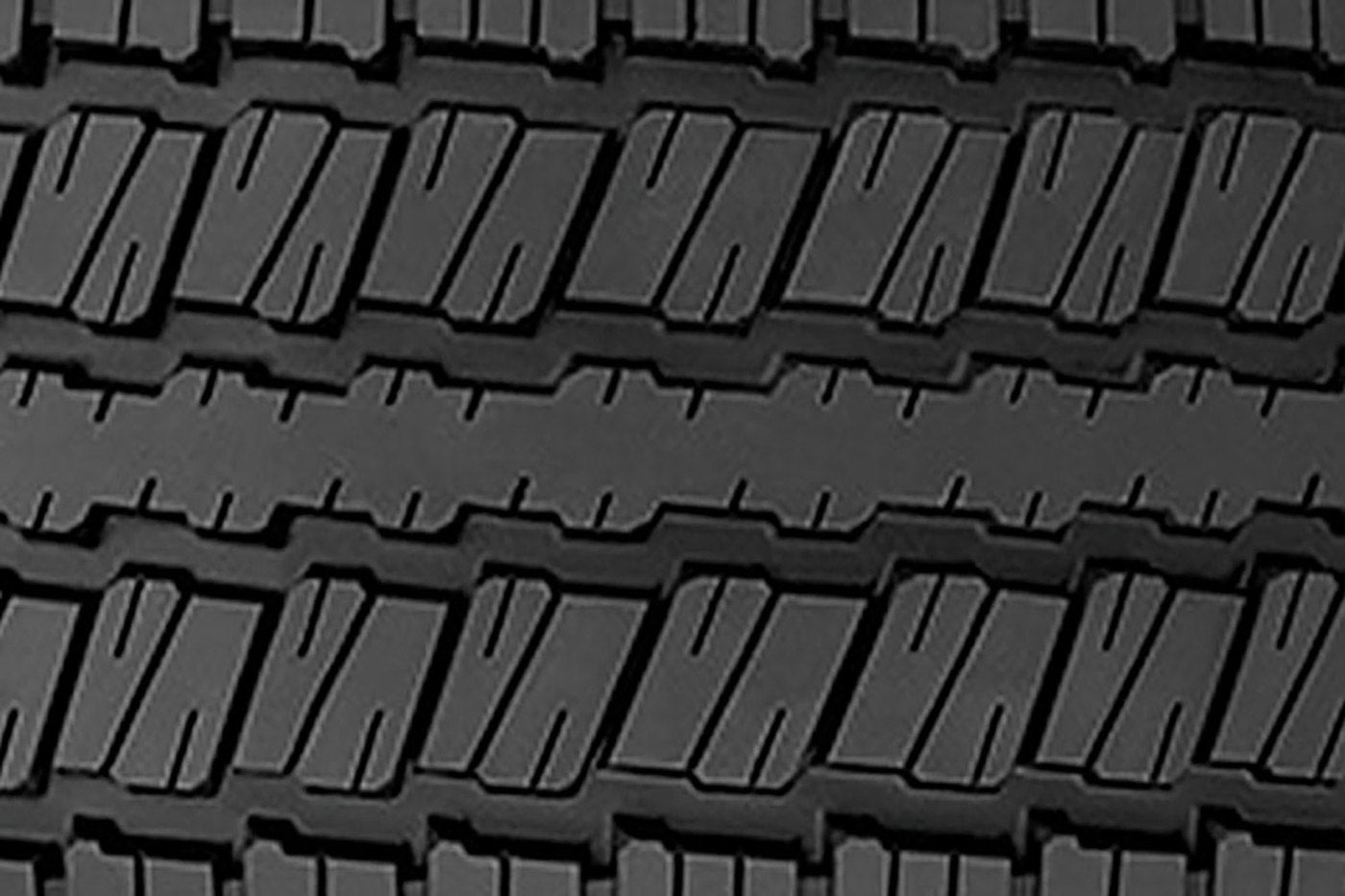
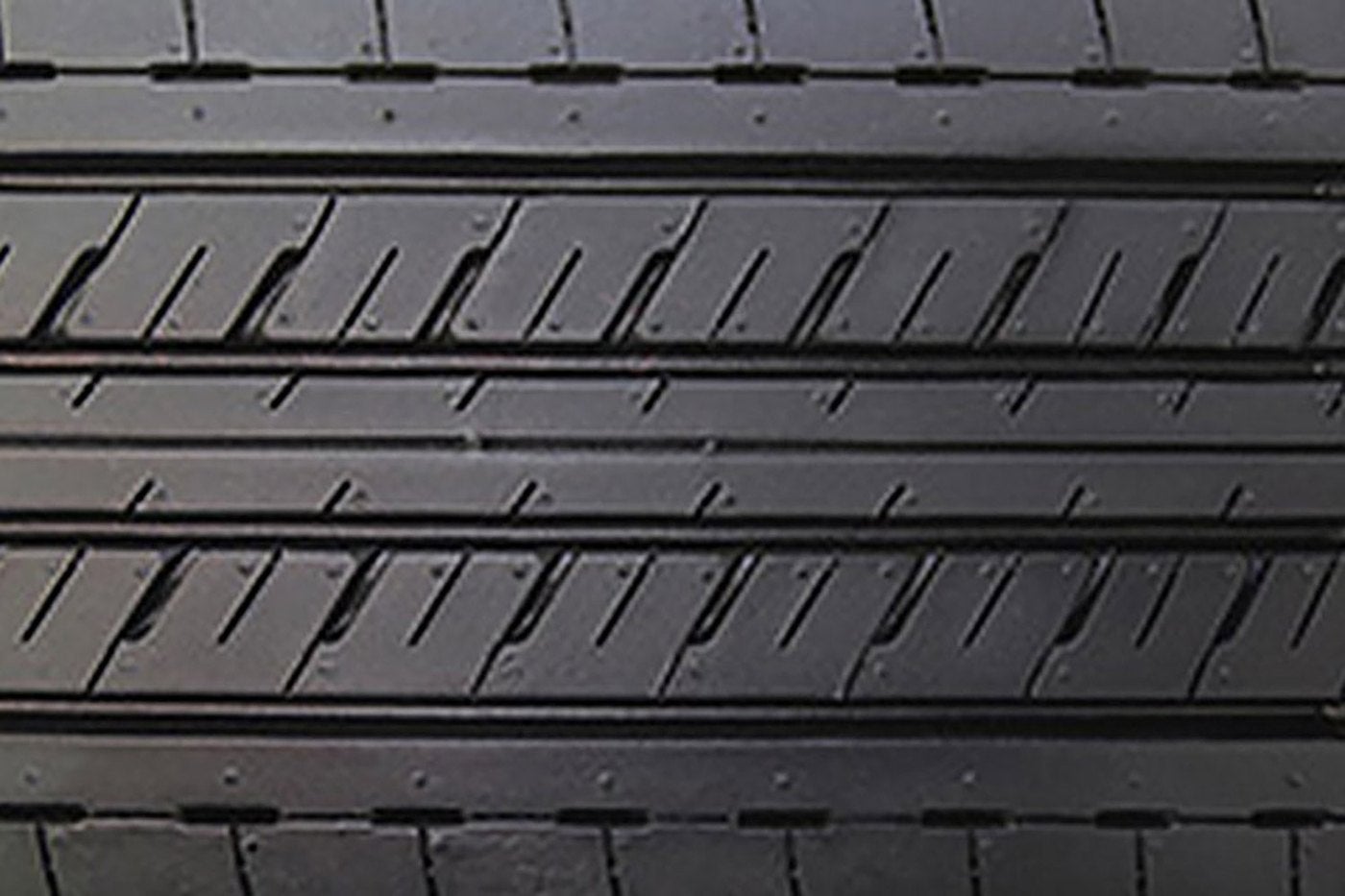
Check the pressure when the tires are cold, before you drive. The correct number is on the sticker inside the driver door jamb, not on the tire sidewall. Look at the tread across the whole width of each tire, because uneven wear can show up on the inside edge where you can't see it easily. Check for cracks, bulges and nails, and don't forget the spare.
If the tread is thin or the sidewalls are cracked, shop for new ones before the trip. The new tires page and the tire finder help you see what fits your Chevrolet.
Local driver tip: Pressure drops about a pound for every ten degrees the temperature falls overnight, so a cold morning start after a hot day can leave you a little low. Add air before you leave in the morning, not the afternoon before.
Which fluids, battery and belts need a look?
Start with the oil. If you are close to your next change or past it, do it before you go. The oil change page explains what to expect. Then check coolant, brake fluid, power steering fluid if your vehicle has it, and washer fluid.
A road trip problem is cheapest to fix in your own driveway, not on a shoulder in the middle of nowhere.
A road trip problem is cheapest to fix in your own driveway, not on a shoulder in the middle of nowhere. That is the reason to look at the battery now. Heat shortens battery life, and a battery that starts the truck fine at home can fail after a night at a hotel. A quick battery test gives you a clear answer.
Belts and hoses should look firm and smooth. Cracks, shiny glazing or a spongy feel mean it is time to replace them. A failed belt can take out power steering, charging and cooling in one go.
Last, the air conditioning. If it has been blowing weak, a long trip will make you notice. Have it checked before you commit to hours of sun in the cab.
What can the shop inspect that I can't?
Brakes
Pad thickness, rotor condition and fluid are measured, not guessed.
Suspension and steering
Worn bushings, shocks and joints affect how a loaded vehicle handles.
Battery and charging
A load test shows how much life the battery has left, and the charging system is checked.
Cooling and belts
Hoses, belts and coolant level are inspected for wear and leaks.
Lights and wipers
Every bulb is checked, and worn wiper blades are flagged before the first storm.
Allow a little time for the inspection itself. Ask the advisor how long the inspection will take, since timing depends on the day and the work involved. Drop it off early in the week and you will have room to approve any repairs and pick it up without scrambling the night before you leave.
Ask the advisor to tell you which items are urgent for the trip and which can wait until you get home. A good inspection comes with a clear list, not a sales pitch.
What should I do the day before I leave?
Pack the heavy items low and toward the center of the vehicle, and check the weight limit in your owner's manual. Carry water, a phone charger, a flashlight and a basic first aid kit. Keep the spare and jack accessible and know how to use them.
Don't ignore a warning light before a trip. A check engine light or a brake light needs attention first.
Don't overload the roof. It raises the center of gravity and hurts stability.
Don't skip the spare. A flat with no way to change it ends the trip.
Know your route too. A rough plan for fuel, food and a place to stay keeps you from driving tired. Download maps ahead of time, since cell coverage can drop out in rural stretches, and share your route with someone at home.
Plan stops every couple of hours, drink water and watch the temperature gauge in traffic. Fill up before the long empty stretches.
If you're leaving from Whitesboro, fuel up in town and give yourself time to ease onto US 82 or US 377 before the day's traffic builds. Starting calm usually makes the whole drive better.
Book it your way
Schedule online from your phone, call the service department, or stop by 1009 US 82 in Whitesboro. Pick whichever fits your day, and the shop will take it from there.
Frequently asked questions
Before you go
How far ahead should I schedule a pre trip inspection?
About a week ahead is a good plan. That leaves time for parts or repairs if something turns up.
What is the most important thing to check before a road trip?
Tires are the first priority, since they carry the load and handle the heat. Brakes and the battery follow closely.
Do I need an oil change before a long trip?
If you are near your due mileage or have passed it, yes. Check your Oil Life Monitor and the owner's manual.
Tires and brakes
How do I know the right tire pressure for my Chevy?
The sticker inside the driver door jamb lists the recommended pressure. Check it when the tires are cold.
Should I check my spare tire?
Yes. Check its pressure and make sure the jack and tools are in the vehicle.
How can I tell if my brakes need work?
Squealing, grinding, a soft pedal or a pull to one side are signs. A technician can measure pad thickness for a clear answer.
Fluids and battery
Which fluids should I check before a trip?
Oil, coolant, brake fluid, washer fluid and power steering fluid on vehicles that have it.
Can a summer trip hurt my battery?
Heat shortens battery life, so a weak battery can fail on the road. A quick test tells you where it stands.
Is it safe to open the coolant cap when the engine is hot?
No. Wait for the engine to cool completely, since hot coolant is under pressure and can burn you.
Loading and towing
How much weight can my Chevy carry on a trip?
The owner's manual and the door jamb sticker list the limits. Stay within them.
Should I do anything special if I'm towing?
Check the trailer lights, tire pressure on the trailer and the hitch. Ask the service team about the vehicle's towing setup.
Is a roof carrier a good idea?
It can help with space, but keep the load light and secure. A heavy roof load hurts stability.
Booking and timing
How do I schedule a pre trip inspection in Whitesboro?
Use the schedule service page on holidaychevy.net, call the service department, or visit the dealership at 1009 US 82.
What should I tell the advisor?
Share how far you're going, what you're carrying and any noises or lights you have noticed.
What if something breaks on the road?
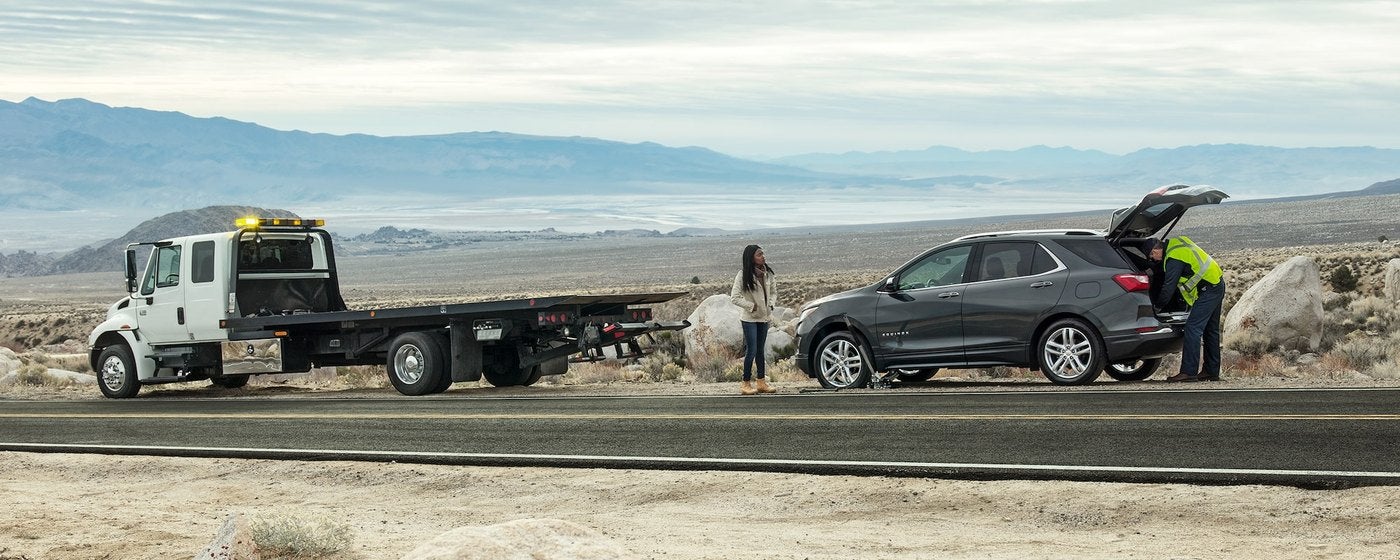
Pull over safely, turn on your hazards and call for roadside help. Keep your insurance and roadside numbers handy.